When it comes to safety on the job, one vital piece of gear is often overlooked: work boots. Understanding how to tell if work boots need replacing is crucial for workers in demanding environments. As expert footwear specialist, Mike Jones, advises, “Proper footwear can significantly prevent injuries and enhance comfort.” Many workers disregard the wear and tear on their boots until it’s too late.
Work boots endure a lot, from heavy machinery to harsh weather. Over time, they lose support and durability. Signs of damage include worn-out soles, ruptured seams, and lack of cushioning. If your boots have deep cracks or frayed edges, it's a clear signal they may no longer be effective. Regular checks can save you from potential accidents and long-term foot problems.
Reflect on your boots' performance. Do they still offer comfort during long shifts? Have they lost their grip on slippery surfaces? Addressing these concerns early helps maintain workplace safety. Knowing when to replace your boots not only protects your feet but also contributes to your overall well-being on the job. Remember, the right approach can make all the difference.
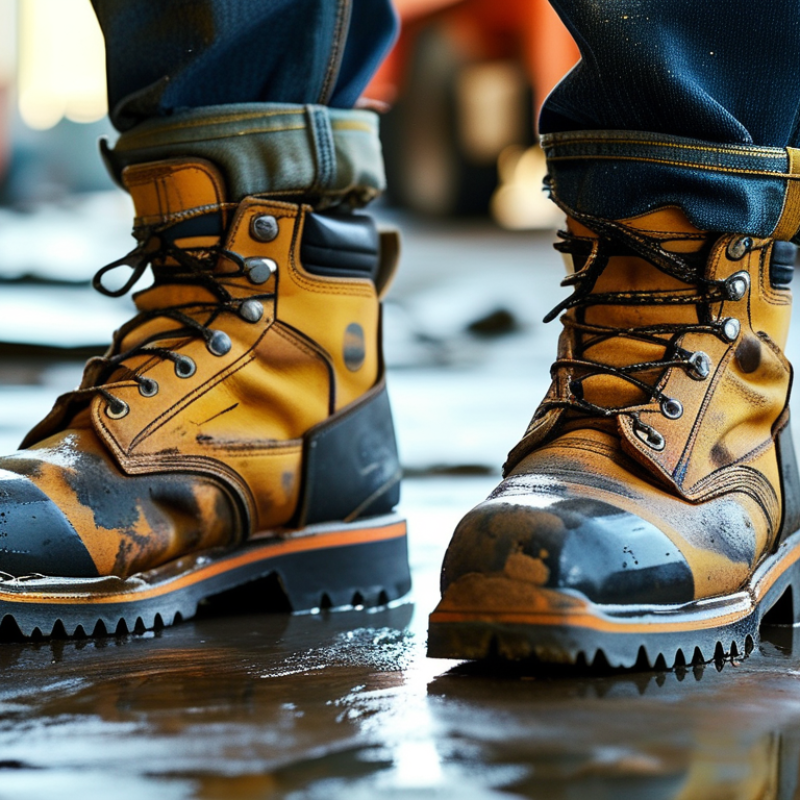
When it comes to work boots, identifying signs of wear is crucial. Check the soles first. If you notice significant tread wear or uneven surfaces, it's time to consider a replacement. A well-worn sole can increase the risk of slipping. Look for cracks or tears in the material, which can compromise support.
Next, examine the upper part of the boot. If you see frayed laces or loose seams, it may not provide the necessary protection anymore. A boot that can’t hold together will fail when you need it the most. Pay attention to any punctures or holes in the fabric. These can lead to water exposure, making your feet vulnerable in wet conditions.
Finally, consider the comfort level. If your boots feel less supportive and have lost their cushioning, they are likely worn out. You might experience more fatigue at the end of the day. Reflect on your work environment. If you notice discomfort or pain, it could indicate that your boots are no longer effective. Investing in new footwear is essential for your safety and well-being.
Choosing the right work boots is crucial for safety and comfort. Different materials have various durability. Leather boots generally last longer than synthetic options. Quality leather can endure heavy wear for three to four years. In contrast, synthetic boots may need replacing within a year or two. Ensure you inspect the soles and uppers for signs of wear often.
Tips: Keep an eye on the tread depth. If it's worn down, replace the boots. Check for cracks or stiffness in the material. If they feel uncomfortable, it’s time to rethink your choice. Remember, comfort is key to avoiding fatigue.
Regular maintenance can extend the lifespan of work boots. Use protective sprays for leather and clean them regularly. Pay attention to how they feel day-to-day. If you notice pain or discomfort, consider new boots. Work boots should provide adequate support for your daily tasks. Discomfort might lead to decreased productivity and safety risks.
Evaluating the comfort of your work boots is essential for maintaining foot health. Many professionals overlook the impact of discomfort. According to a report by the American Podiatric Medical Association, nearly 75% of Americans will experience foot problems in their lifetime. If your boots cause pain, it's a potential sign they need replacing.
Common issues include sore feet, blisters, and overall fatigue. These symptoms can lead to significant distractions at work. Research indicates that uncomfortable footwear can reduce productivity by up to 20%. When feet hurt, performance often suffers. Digging deeper, a study from the Journal of Occupational Health revealed that workers in ill-fitting boots reported lower job satisfaction and increased absenteeism.
Monitoring for these signs is crucial. Evaluate your boots after long shifts or physically demanding tasks. If you feel persistent discomfort, it’s time to reflect on their condition. Look for signs of damage or wear. Remember, comfortable boots are more than a luxury—they’re a necessity for a healthy working environment.
When assessing the condition of your work boots, the sole’s integrity is paramount. A damaged sole can significantly compromise grip performance. According to a study from the American National Standards Institute (ANSI), over 30% of workplace slip-related injuries are attributed to improper footwear. Thus, checking the traction of your boots is essential for safety.
Look closely at the tread pattern. If it's worn down or showing smooth patches, it’s time for a replacement. Research indicates that tread depth below 1/8 inch dramatically reduces grip. It is crucial to ensure your boots maintain a sufficient grip on various surfaces, especially in hazardous environments. Regularly inspect for embedded debris or damage. These factors can further diminish traction effectiveness.
Don’t overlook any signs of wear. If you notice uneven wear on the sole, your footing can become unpredictable. This unwanted variability can lead to slips and falls. Addressing these concerns promptly not only enhances safety but also contributes to overall work efficiency. Taking proactive measures can help avert accidents and maintain optimal performance on the job.
| Attribute | New Boots | Signs of Wear | Replacement Recommendation |
|---|---|---|---|
| Sole Integrity | Firm, intact, no cuts | Visible wear, cracks, or detachments | Replace immediately if cracks are present |
| Grip Performance | Good traction, non-slip | Slips on wet surfaces, decreased traction | Replace if slip risk is high |
| Comfort & Fit | Supportive, snug fit | Pain, blisters, or discomfort | Replace if discomfort persists |
| Age of Boots | Less than 1-2 years | Worn for more than 2 years | Consider replacement after 2 years |
Moisture resistance is crucial for work boots, especially in demanding environments. Over time, the waterproofing layer can become compromised. You may notice initial signs like water stains or dampness inside your boots. Pay attention if your socks are often wet after a day of work.
Occasionally, leather and synthetic materials lose their protective qualities. This wear may not be obvious at first. Look for cracks or fraying around seams. These details suggest that your boots cannot keep moisture out effectively. If you find your boots heavy after rain exposure, it may be time to assess their waterproofing thoroughly.
Sometimes, even if boots look fine, they can fail when exposed to water. Performing regular checks can save you from unpleasant surprises. Reflect on your work's demands and environment as you evaluate your gear. Remember that compromised waterproofing affects your comfort and safety on the job.
This bar chart illustrates the common indicators of compromised waterproofing in work boots, which can help you determine when it’s time for a replacement. The frequencies of each indicator are based on common observations in work environments.
: Inspect the soles for tread wear or uneven surfaces. If significant damage is present, consider replacing them.
Look for cracks, tears, frayed laces, or loose seams. These can compromise protection and support levels.
If your boots feel less supportive or lacking cushioning, they are likely worn out. You might feel more fatigue.
A damaged sole compromises grip. Over 30% of slip-related injuries occur due to improper footwear, making checks essential.
A worn tread pattern indicates it's time for a replacement. Depth below 1/8 inch can significantly reduce grip.
Look for water stains, damp socks, or heavy boots after rain. Cracks or fraying around seams suggest failure.
Yes, appearance can be deceptive. Regular checks are crucial to avoid unpleasant surprises, especially in wet conditions.
Uneven wear can lead to unpredictable footing, increasing the risk of slips and falls. Prompt action can enhance safety.
Consider your work environment and any discomfort. If you notice issues, it may be time for new footwear.
Regular checks can prevent accidents and maintain performance. Addressing wear promptly contributes to overall work efficiency.
When it comes to work boots, knowing how to tell if work boots need replacing is crucial for safety and comfort. Key indicators include physical signs of wear, such as visible damage and worn-out soles, which can compromise protection. Understanding the average lifespan based on materials can also guide replacement decisions, as some boots last longer than others.
Additionally, evaluating comfort is essential; persistent pain while wearing boots can signal the need for new ones. Assessing traction is important, too; check the sole for integrity to ensure proper grip. Lastly, moisture resistance is vital in work environments, so be aware of any signs that waterproofing is compromised. Regularly evaluating these factors can help maintain safety and efficiency on the job.
